
Albania
Albania is a priority country of Switzerland’s economic development cooperation. Over the past decades, the country has shifted towards a democracy and market economy. Albania has the ambition to become an EU member by 2030. SECO’s ongoing cooperation projects in Albania focus on creating a resilient macroeconomic framework, fostering an innovation-friendly business environment, and promoting sound urban infrastructure services and energy management.
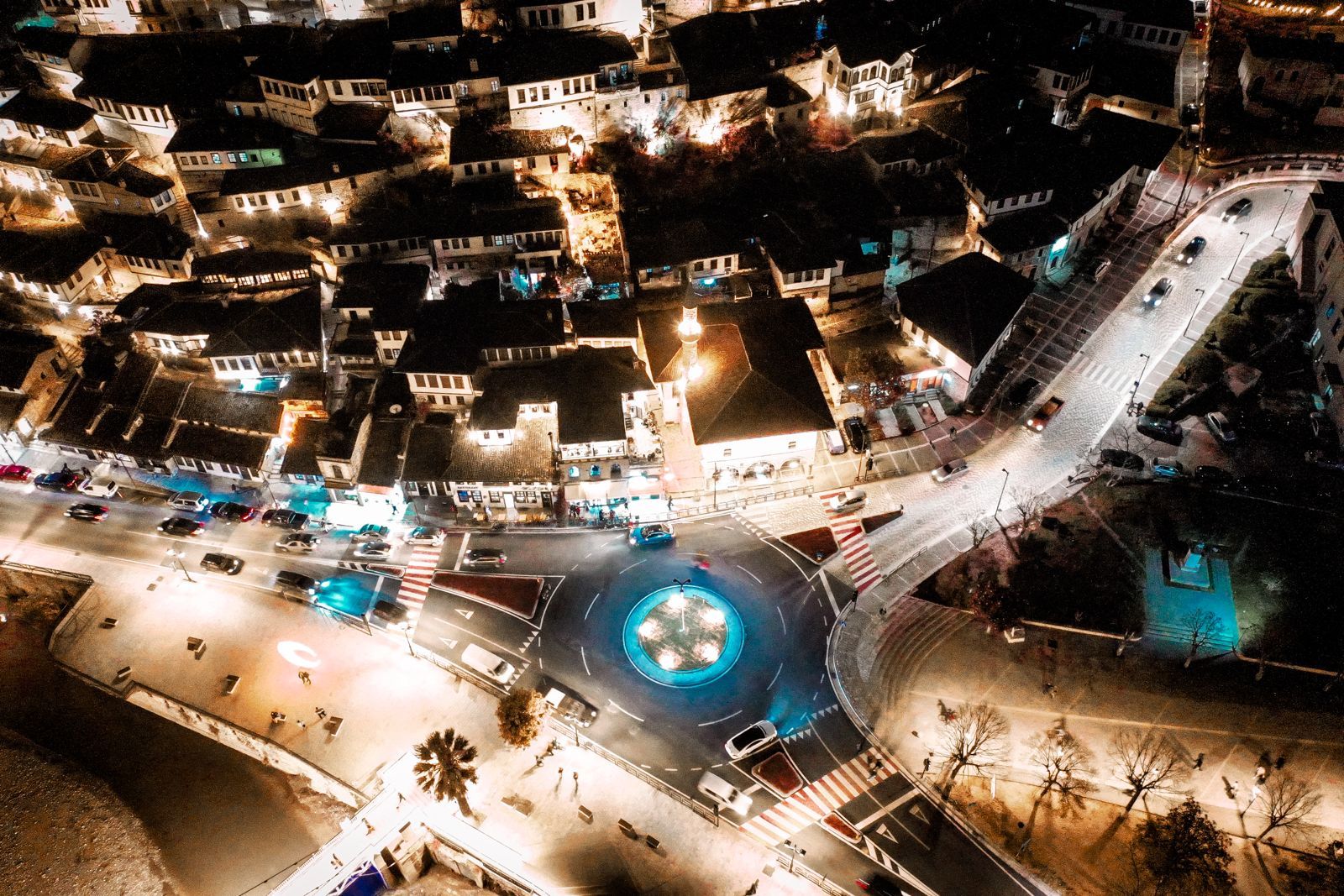
Albania’s transition to democracy and a market economy began in the 1990s. It is an upper-middle-income country. European Union integration is the overarching national priority for Albanian citizens, political parties and authorities. This provides a binding framework for alignment with EU standards and requirements and serves as a driving force for reforms.
Economic performance has been robust, with growth driven particularly by the construction sector and an expanding tourism sector. Nonetheless, economic structural challenges persist: environmental pressure from fast tourism development, moderate productivity and competitiveness, a large informal economy and illicit money inflows. Perceptions of corruption and limited trust in the rule of law hamper foreign investment. GDP per capita remains below the EU average. Although poverty is declining, it still affects nearly 20 percent of the population.
What are SECO’s objectives?
SECO and the Swiss Agency for Development and Cooperation (SDC) jointly define and implement the Swiss cooperation programme 2026 – 2028 in Albania. Together, they are active in the areas of Inclusive Governance, Economic Development and Employment, as well as Reliable Urban Infrastructure Services and Climate Change. The overall goal is to support Albania’s path towards European integration by promoting democratic governance, social inclusion and sustainable economic growth. SECO mainly focuses on: