
Partnerships
Collaborative partnerships with public and private institutions have become a vital component of international cooperation. SECO builds on strong partnerships as part of its economic development cooperation.
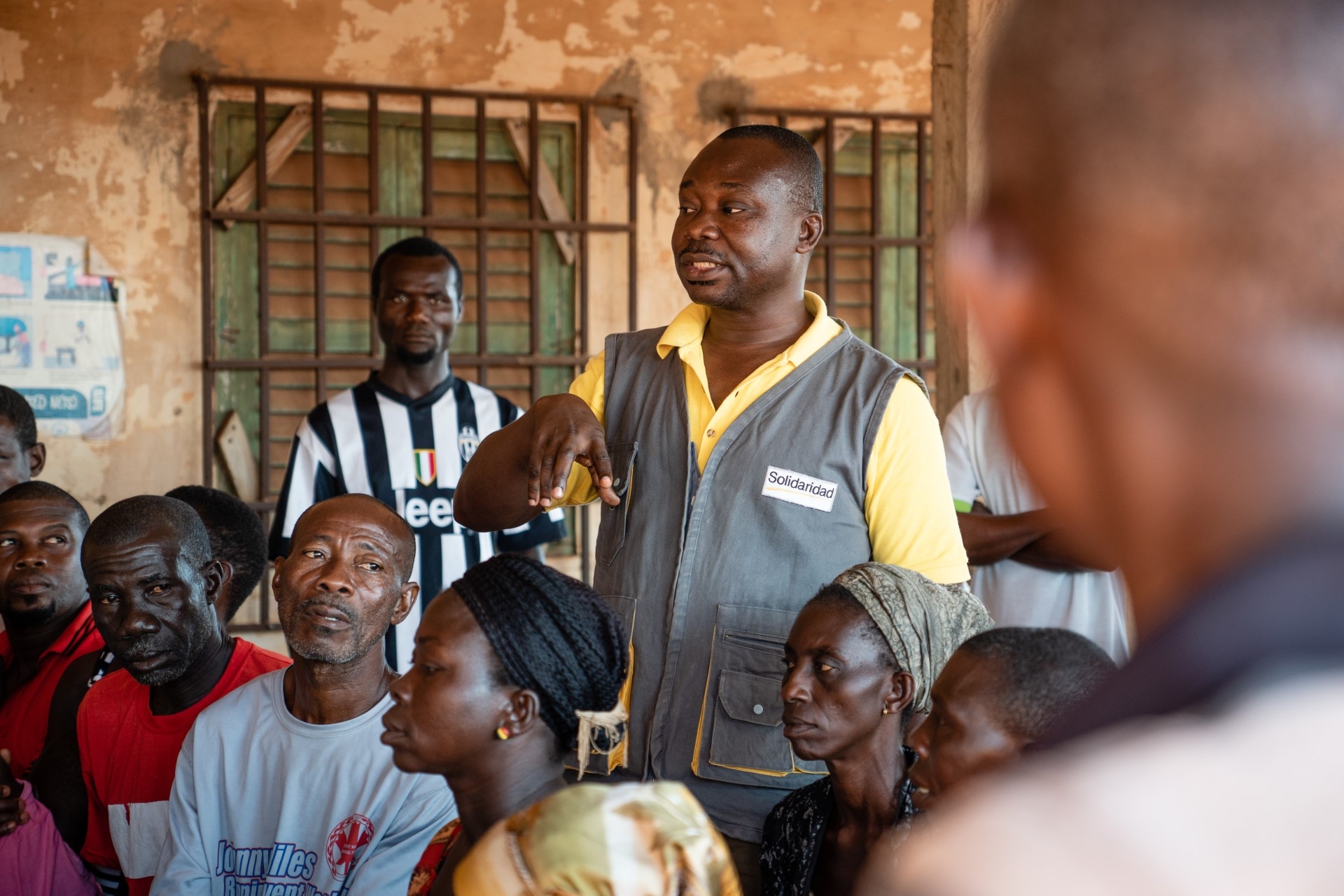
Over the years, SECO has built an extensive network of diverse and reliable partners. These include the governments of partner countries, multilateral organisations, Swiss, international and local non-governmental organisations, as well as universities and research institutes. SECO’s partners also include investors and private companies based in Switzerland and abroad.
Private sector
SECO forms partnerships with the private sector because of its considerable impact on economic development. The private sector creates 90 percent of jobs worldwide and thus plays a key role in fighting poverty and achieving the sustainable development goals of the 2030 Agenda. Its expertise and innovative ideas, approaches and instruments are essential for promoting sustainable development and environmentally friendly investments in developing countries.
Non-governmental organisations
SECO awards contracts and funding to Swiss and international non-governmental organisations (NGOs) to achieve its economic cooperation goals. SECO relies on their operational and technical expertise and builds on their experience and network. Some examples:
Multilateral development banks
SECO’s Economic Cooperation and Development division also implements projects and programmes in partnership with multilateral development banks, such as the World Bank and regional development banks. Furthermore, it represents Switzerland on the executive boards of these international organisations.
International organisations
SECO supports projects and programmes of various international organisations. It coordinates Switzerland’s relations with the following economic organisations of the United Nations:
Federal Administration
SECO works closely with other federal agencies, for exempale in order to develop and implement the government’s strategy on international cooperation:
Universities and research institutes
SECO contracts or partners with the following institutions:
Special programmes
SECO supports the following selected Swiss programmes:
Actors in partner countries
Local partnerships are a key factor for success of projects. SECO maintains good relations with actors in its partner countries, such as governments, local authorities, civil society organisations and other actors in international cooperation.