Final report on the implementation of the Message 2017-2020
This background dossier on the final report contains additional information on projects and SECO's working methods. It provides links to detailed thematic dossiers and project descriptions.
With its projects SECO creates better economic prospects for its partners. In order to achieve this, SECO uses indicators to measure the impact of its projects, identifies weaknesses early on and works to remedy them. This is done both in daily project monitoring and through regular, independent evaluation.
SECO plans its projects carefully before implementing them. To this end, it works for instance with feasibility studies, theories of change and results chains. It then defines the objectives to be achieved, the expected results and the parameters for measuring them. These are coherent with the Message on international cooperation.
SECO closely monitors the progress of its projects. It uses the data it collects to check whether the goals set are being achieved. It regularly discusses with the project partners at steering meetings how the projects are being implemented.
SECO commissions independent evaluations of its projects. In this way, it learns how to improve projects continuously and is accountable to Parliament and the public. In doing so, it is guided by internationally recognised evaluation standards such as those of the OECD.
SECO works with an independent evaluation committee. It consists of five members from Parliament, academia, business, the international sector and civil society. The committee proposes evaluations and impact reports, comments on their results, makes recommendations and examines how these are implemented.
Target Outcome 1: Strengthen Institutions and Services
SECO strengthens the institutions and services of its partner governments. It supports them in creating favourable framework conditions for sustainable economic development. Among other things, the aim is to achieve transparent public financial management, a stable financial sector and a good basic supply of water and energy.
In Ghana, SECO supports the government in improving its tax system. The aim is to modernise the tax authorities, improve the collection of tax data and allow interested users to assess their taxes themselves. SECO has so far focused its activities on the national level. In the future, it will increasingly implement projects at sub-national level.
From 2011 to 2016, SECO supported Peru in managing its public finances efficiently and driving forward longer-term reforms. As a result, taxes are now being paid in a more disciplined manner and resources are being allocated more specifically in line with political priorities.
From 2016 to 2019, SECO supported six Serbian local governments in better managing their public finances, allocating resources more strategically and improving public services. It became clear that cooperation between the local and national levels is important for the success of the project.
In the municipality of Knjazevac alone, 70 percent more taxes were collected between December 2017 and March 2018 than in the previous year. In the future, SECO will support 40 additional local administrations and 30 municipal companies as well as the central government. This should create the critical mass needed to manage public finances more effectively throughout Serbia.
Since 2011, SECO has been strengthening central banks in its partner countries to achieve financial stability. Through individual training, conferences and peer learning, it trains experts to plan and implement sound monetary policies. The focus is on the stability and development of the financial market, well-regulated banking supervision and modern risk management.
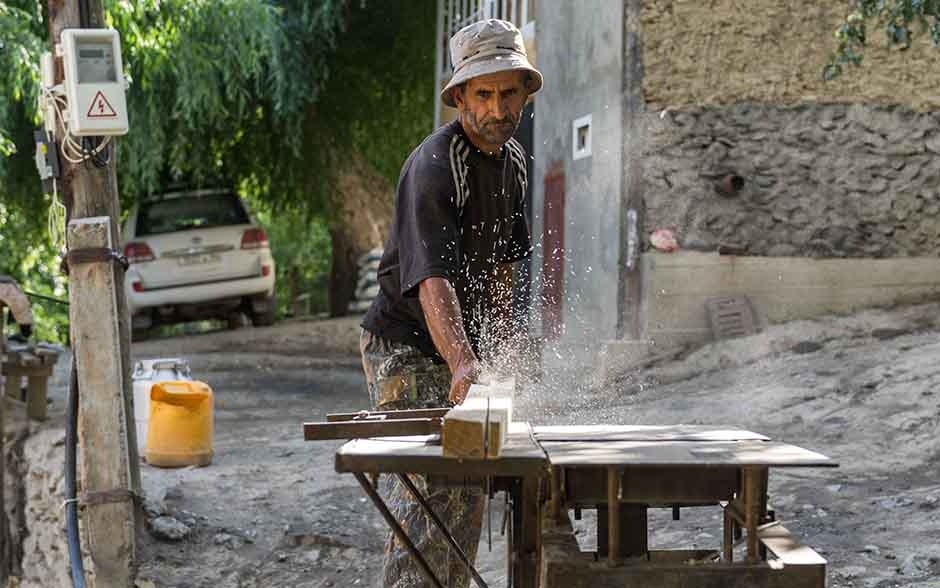
From 2011 to 2017, SECO helped to provide the population of the Pamir mountain region in Tajikistan with a sustainable supply of electricity. To this end, it supported the public utility "Pamir Energy". As a result, both the range and quality of services and the satisfaction of the population with the supply increased. In the coming years, SECO will contribute to making the region even more resistant to natural disasters.
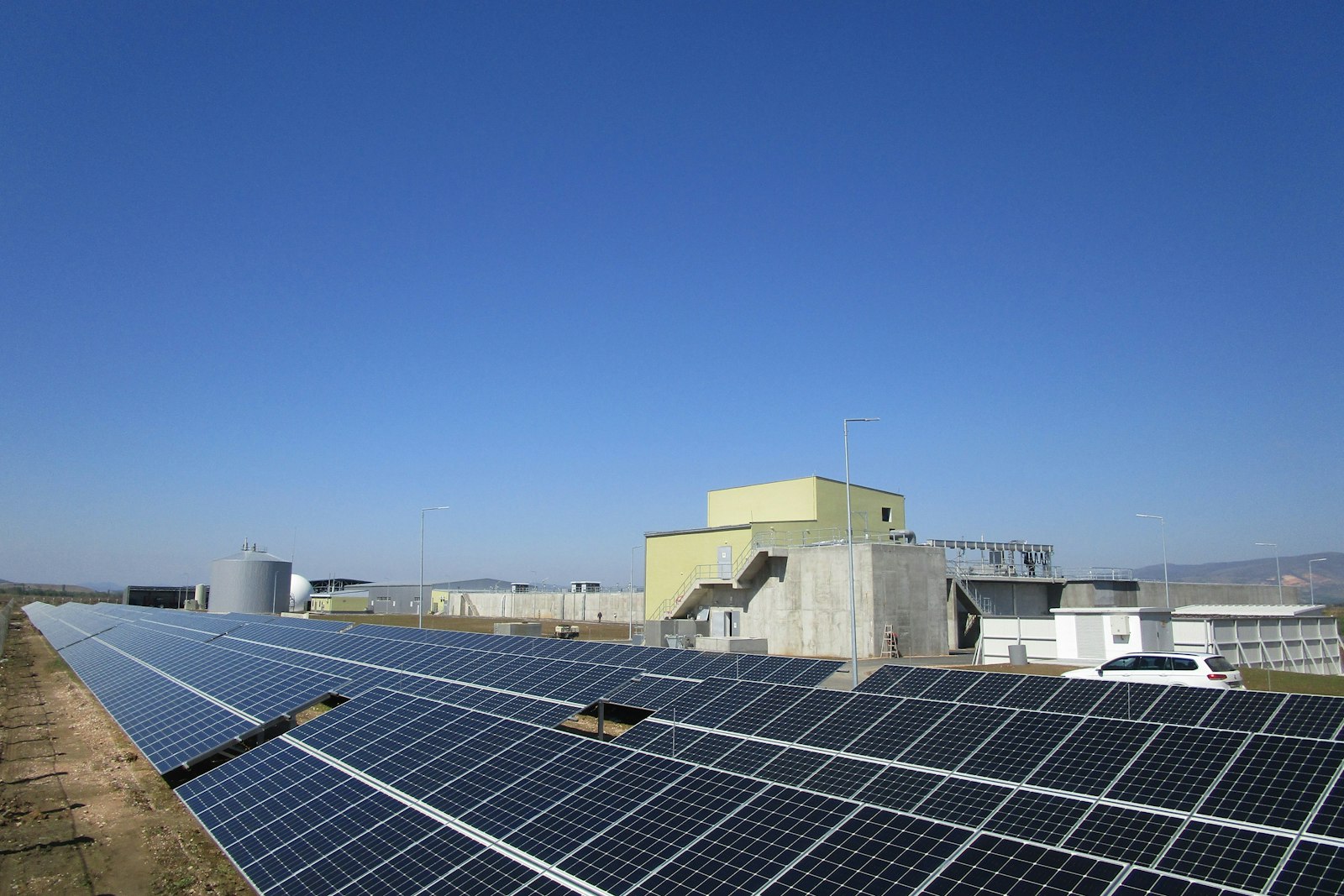
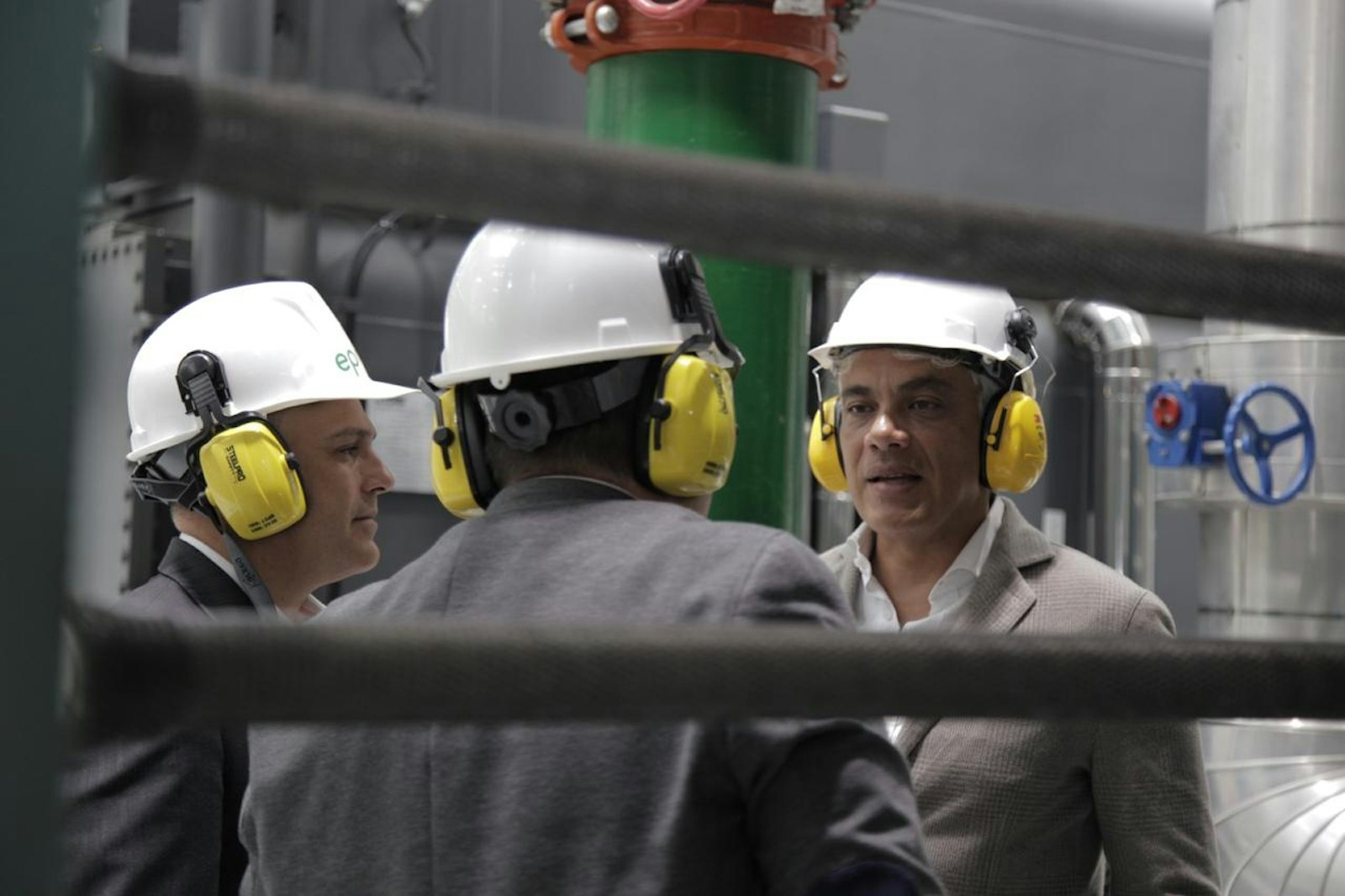
Since 2014, SECO has been supporting the construction of the wastewater treatment plant of the town of Kocani in North Macedonia. Swiss experts were involved in the conceptualisation. Inaugurated in 2019, the plant treats the wastewater of 65 000 inhabitants. This produces biogas which, together with an integrated solar energy system, covers more than 60 percent of the plant’s electricity needs. This reduces operating costs and water bills for customers. Soon, the neighbouring town of Vinica will also be connected to the plant.
SECO helps entrepreneurs in its partner countries to set up and develop companies. To this end, it promotes mentoring and favourable so-called "ecosystems" for companies. Other priorities are compliance with international standards, access to capital and a favourable business environment.
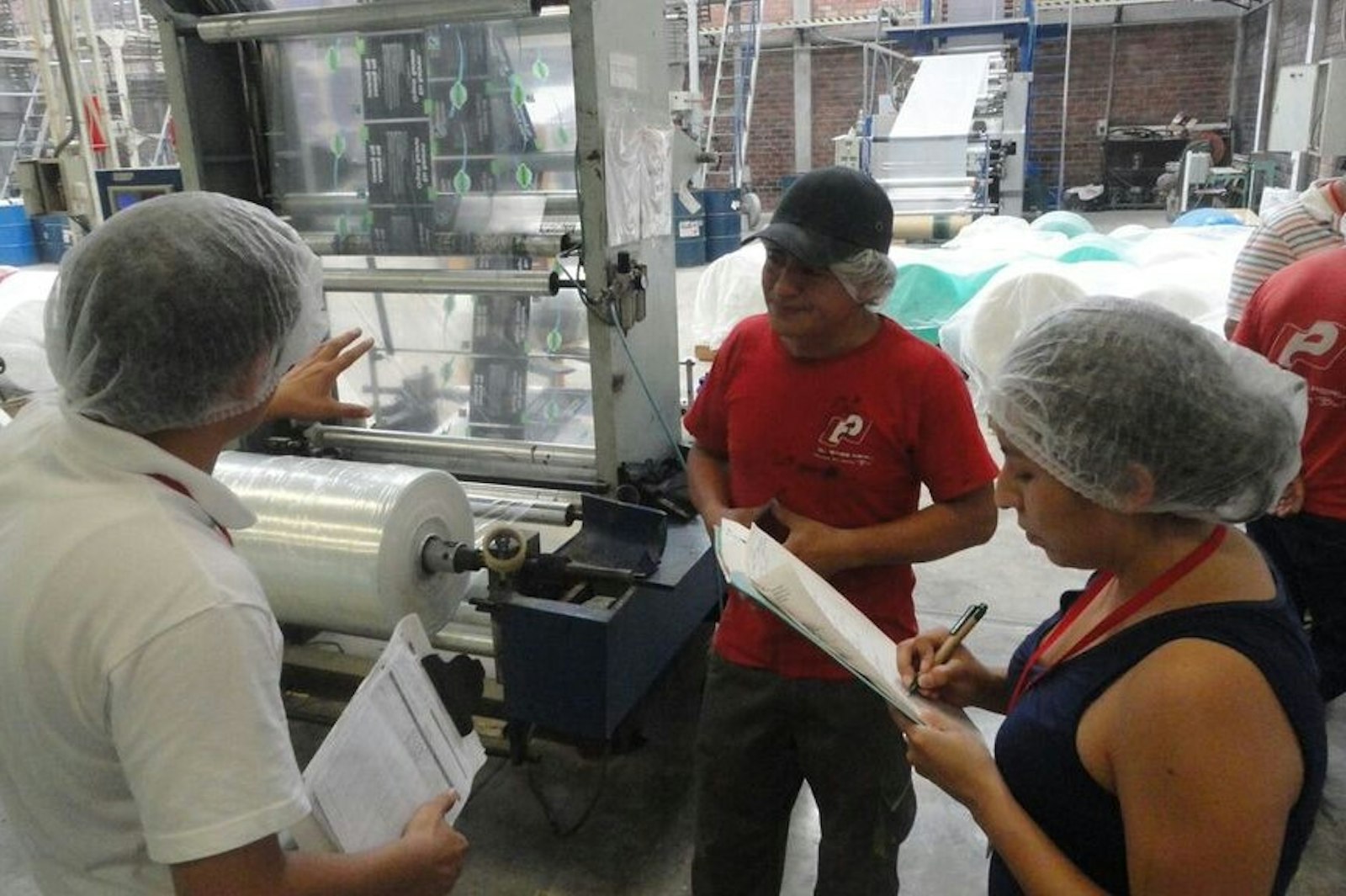
Through the SCORE programme, SECO supports companies in Asia, Africa and Latin America in complying with international labour standards. This leads to better working conditions in the companies, higher incomes for employees and more productive companies. In the future, SECO will support companies in internal training and the implementation of improvement measures. SECO implements SCORE together with the International Labour Organisation (ILO).
In Indonesia, SECO, together with Swisscontact, supports the development of sustainable tourism. It promotes the coordination of tourism agencies, trains tourism specialists for hotels, restaurants or souvenir shops and strengthens local service providers.
The SECO Start-up Fund provides loans to companies based in Switzerland to launch investment projects in partner countries. Since 1998, the Fund has contributed to investments totalling CHF 395 million and to more than 16 000 good and productive jobs.
SECO supports institutions in its partner countries in acquiring the technical and negotiating skills necessary for integration into world trade. It also promotes the integration of producers into sustainable global value chains.
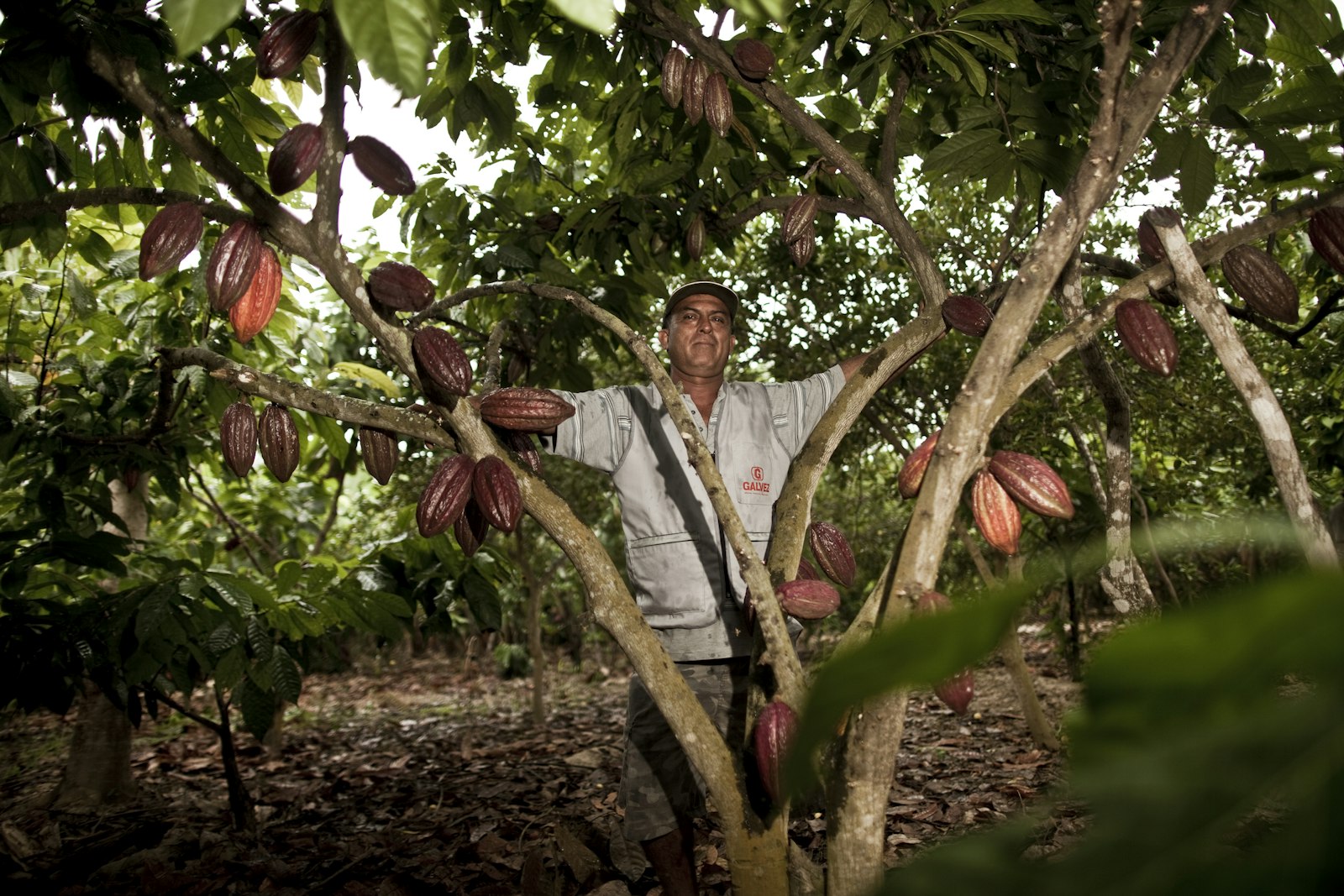
By 2025, at least 80 percent of the cocoa-containing products imported into Switzerland are to be cultivated sustainably. This goal is being pursued by the association "Swiss Platform for Sustainable Cocoa". In 2018, 41 players in the Swiss cocoa industry joined forces to achieve this goal. The association aims to combine the strengths of Swiss companies, civil society and the federal government. SECO supports the association as an innovative partnership project with the private sector.
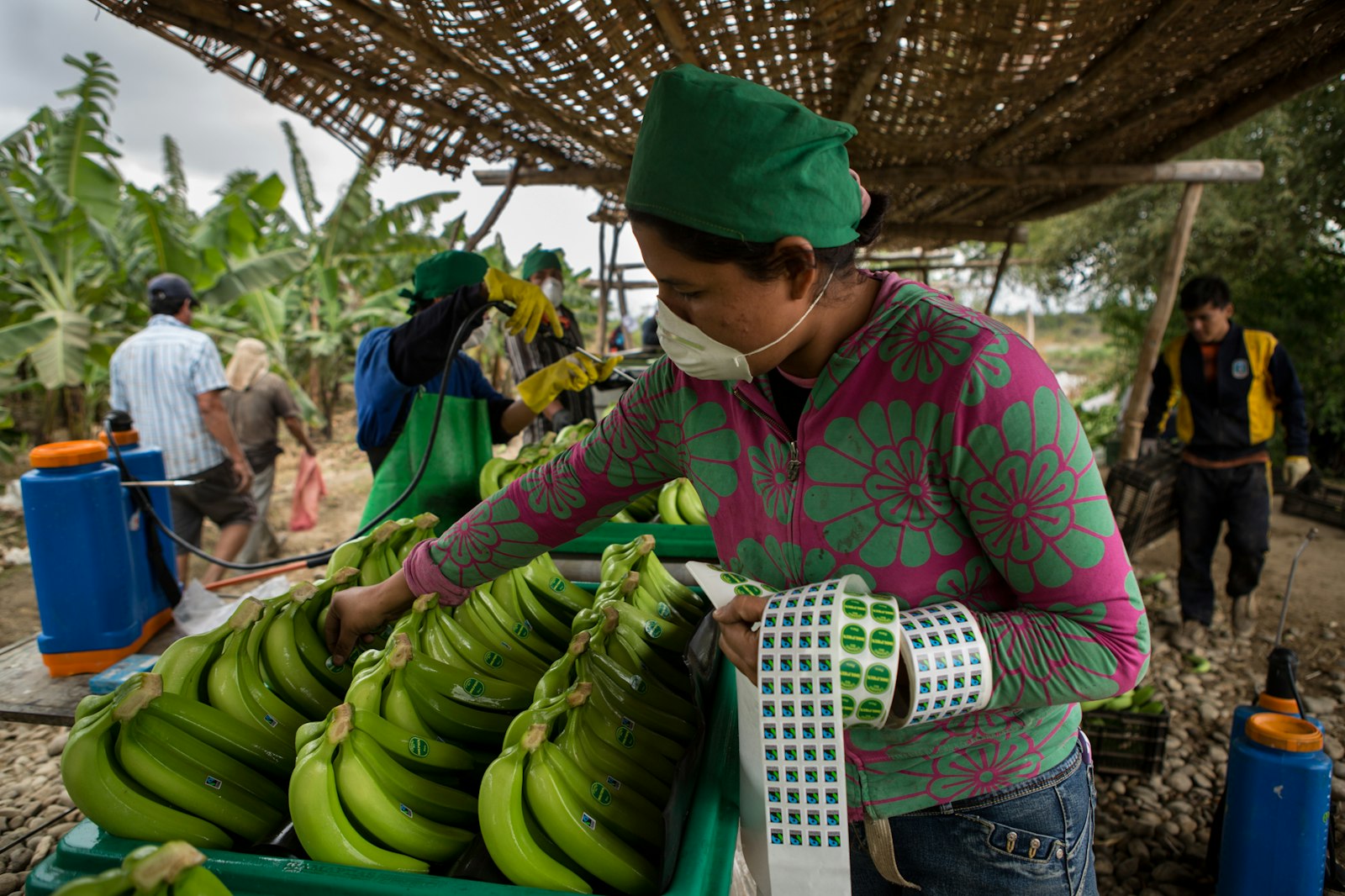
Since 2014, SECO has been supporting the Peruvian government's efforts to strengthen the country's competitiveness with the "SeCompetitivo" project. Among other things, the project has contributed to the development of a national strategy for the formalisation of companies and the promotion of e-commerce. SeCompetitiveo has also developed new training programmes for vocational training. Furthermore, the project strengthened producer organisations in value chains, especially for quinoa, cocoa and bananas. As a result, more than 6000 jobs were created or retained and the productivity of these sectors was increased: quinoa by 12.5 percent, cocoa by 9.4 percent, and bananas by 3.6 percent.
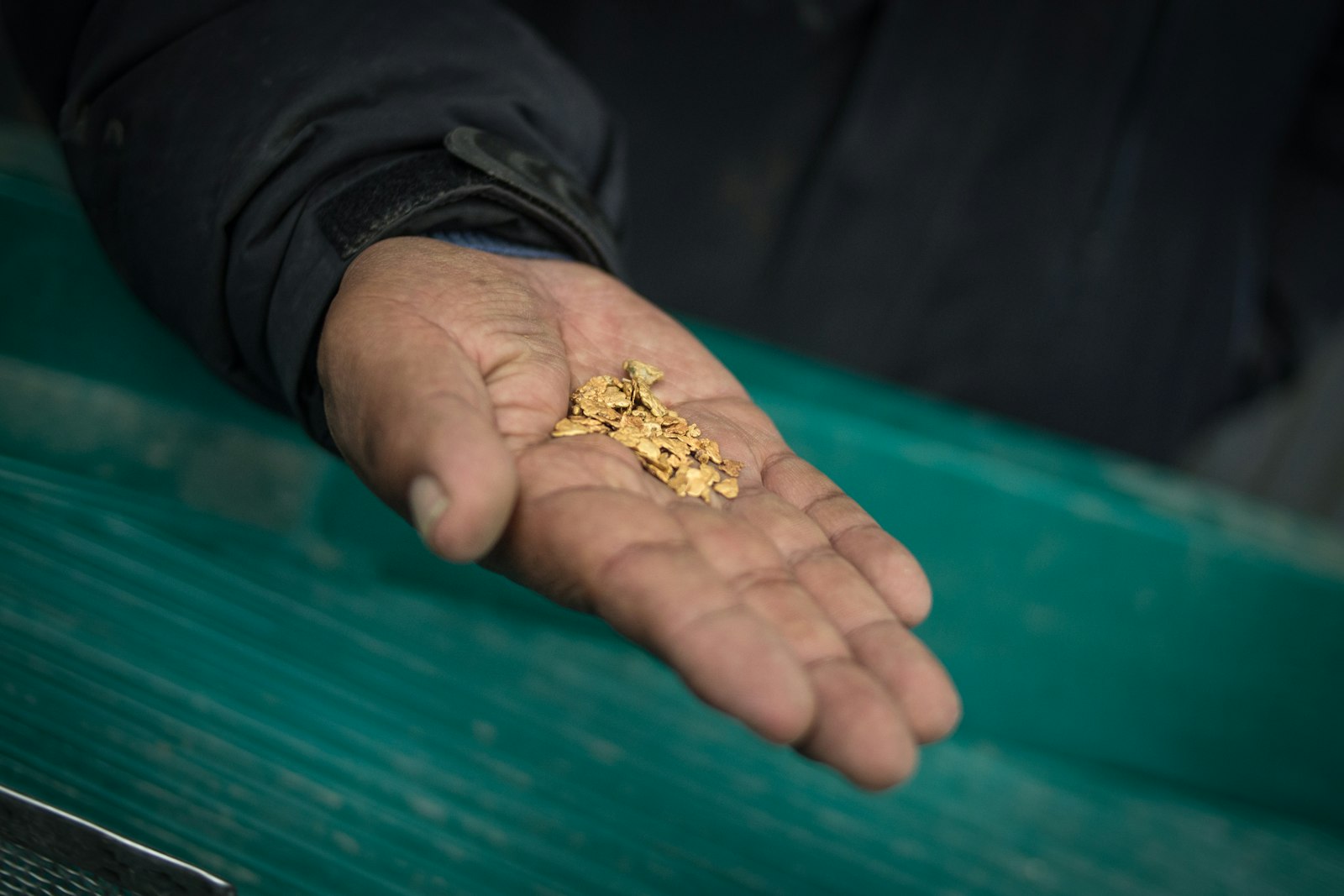
The "Better Gold" project creates sustainable value chains between certified mines and Swiss buyers. This enables small mines in Peru, Colombia and Bolivia to produce gold under responsible conditions and deliver it to Switzerland. Between 2013 and 2016, more than 400 kilograms of sustainably mined gold were exported to Switzerland. From 2017 to 2018, the quantity rose to over 2500 kilograms. An independent evaluation confirmed the relevance and effectiveness of the project in 2019.
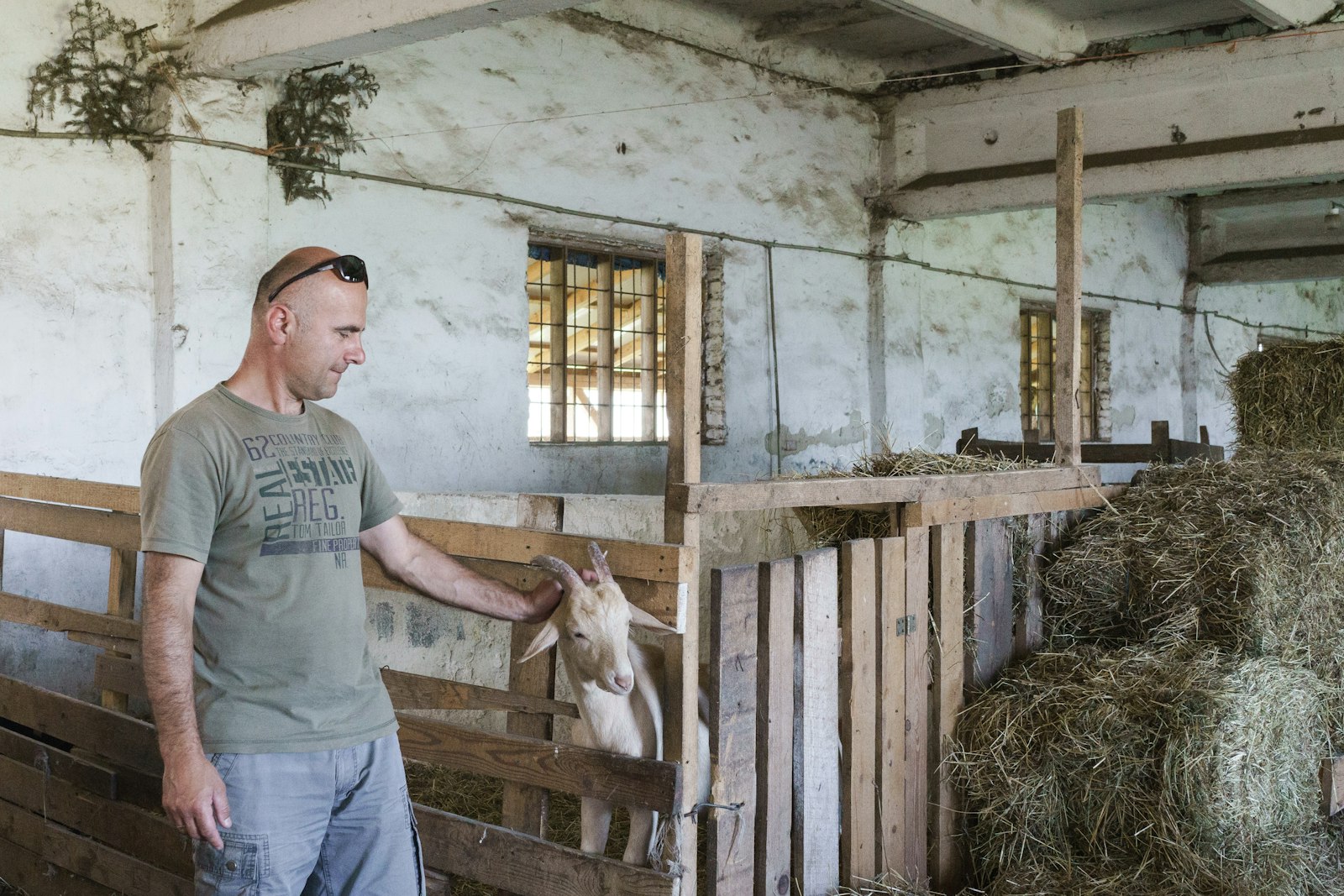
Thanks to the growing global demand for healthy and environmentally friendly food, agricultural countries like Ukraine are gaining access to new markets and can at the same time develop their agricultural sector in a sustainable manner. In this context, SECO supports small and medium-sized farms in Ukraine. It promotes certified organic value chains that meet the qualitative and quantitative requirements of the European market. In 2018, Ukraine exported organic cereals, wheat, millet and soya beans worth around EUR 50 million to Switzerland and the EU. The number of certified farms rose from 100 to 300, and the local market is also benefiting from the greater supply. Today, over 300 Ukrainian supermarkets already sell organic products.
Due to the consequences of climate change and urbanisation, SECO partner countries face major challenges. SECO supports them in becoming more resilient to the consequences of climate change, developing their cities sustainably and supplying people and companies with sustainably produced energy.
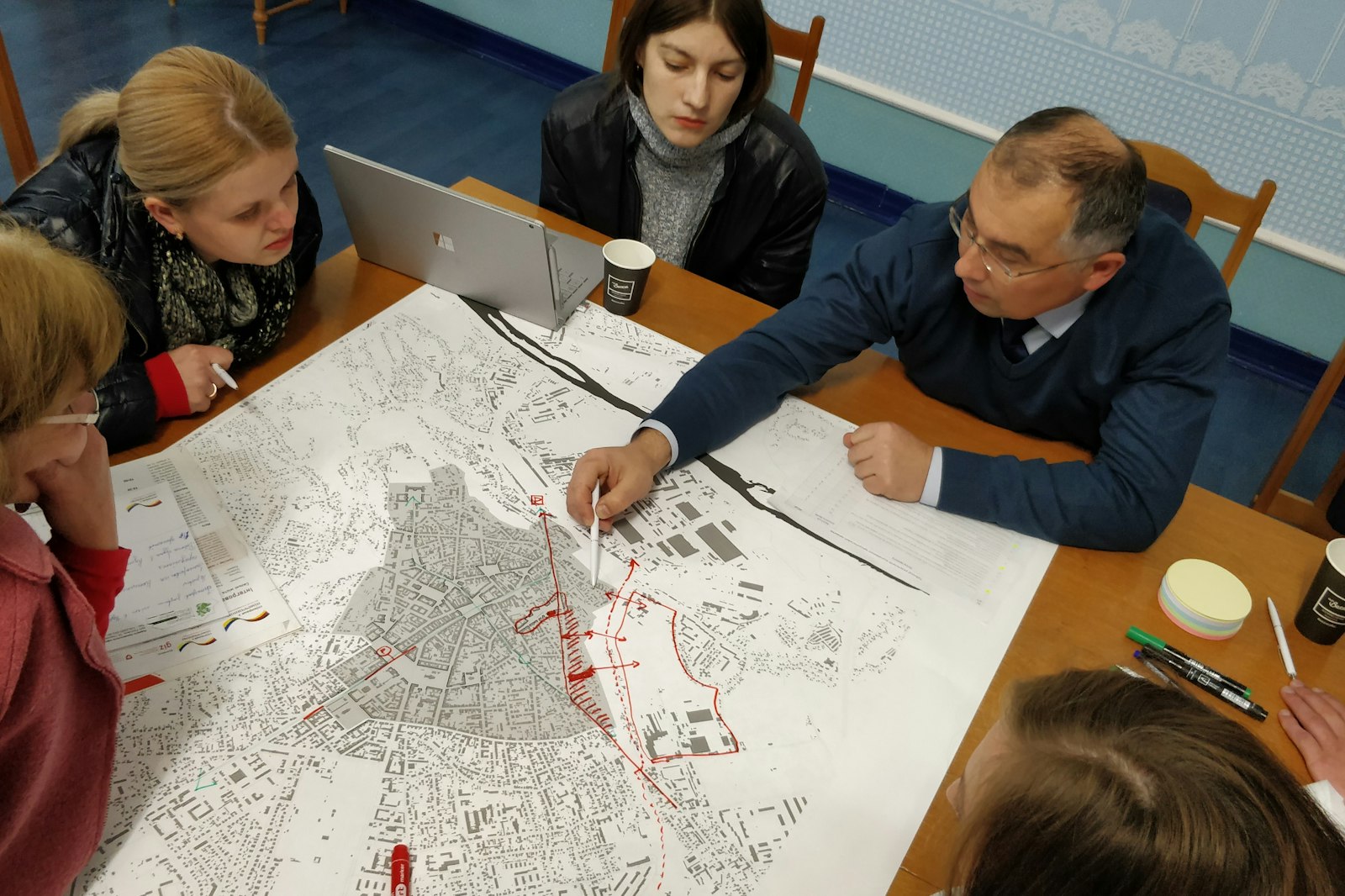
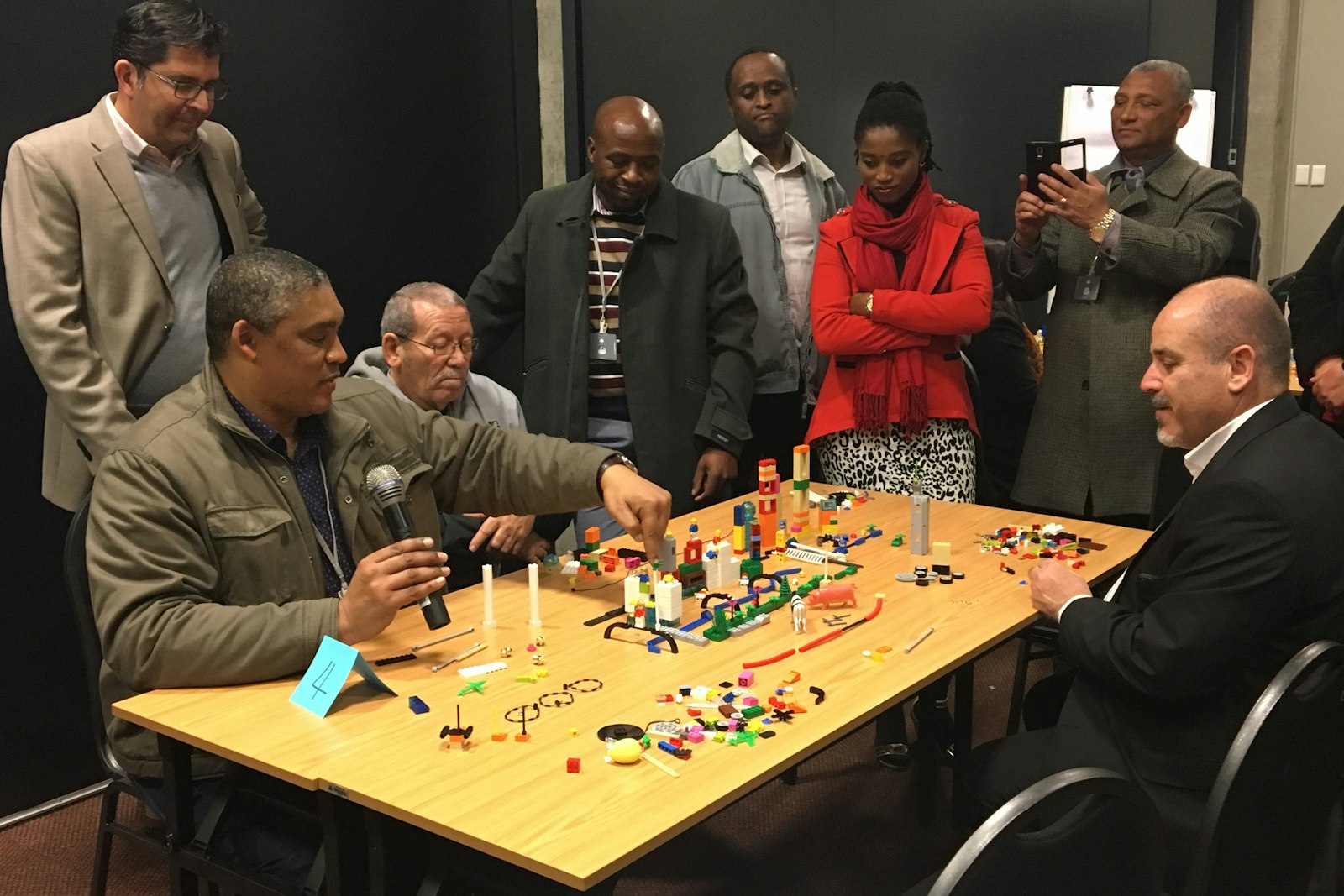
From 2016 to 2019, representatives of civil society from various Ukrainian cities took part in workshops supported by SECO. The cities of Zhythomyr and Poltava consulted citizens on urban mobility. Vinnytsia and Chernivtsi organised forums on urban development. In all four cities, suggestions from the workshops were incorporated into urban planning.
In Colombia, SECO has been supporting efforts since 2014 to use energy in buildings more efficiently, to establish sustainable cooling systems and thus reduce CO2 emissions. In Alpujarra, a district of Medellín, infrastructure and energy management have been adapted. This has reduced energy consumption in buildings by 34 percent and CO2 emissions by 56 percent. The model is now to be implemented in other districts throughout Colombia.
The "Cities Development Initiative for Asia" (CDIA) prepares sustainable investments in infrastructure projects in 27 Asian cities. As a result, over 2.2 billion dollars have been invested between 2016 and 2019. One example is the Philippine city of Iloilo, which had few ferry connections to other cities. The CDIA worked out a feasibility study for a new ferry terminal which led to the construction of a terminal with public and private investments. Today it serves over 3500 passengers daily, who benefit from better connections between Iloilo and other provincial cities.
Cities account for 70 percent of global economic output. Cities are of central importance for the development of SECO partner countries. In South Africa, SECO is implementing the "Cities Support Programme" in cooperation with the World Bank. Between 2016 and 2018, this programme supported eight city administrations in managing their cities in an inclusive, sustainable and economically viable manner. Employees of the city administration also learned how to plan the development of their cities better on the basis of concrete models.
In its foreign and development policy, Switzerland relies on a strong multilateral system. 2016-20, capital increases for the World Bank and the African Development Bank have been negotiated and replenishments of development funds have been agreed. The development banks thus have the means to help effectively implement the Sustainable Development Goals (SDGs).
The multilateral development banks are central to achieving globally agreed goals such as the fight against poverty, climate change and forced migration. To this end, however, more private sector resources must also be mobilised. Together with the banks, Switzerland finances corresponding programmes.
Switzerland is represented on the boards of directors of the development banks. It is committed to ensuring that the banks coordinate well with each other. SECO regularly exchanges strategic and operational information with senior management. In addition, SECO representatives meet annually with the presidents of the banks at the World Economic Forum WEF.
Poverty, unemployment, inequality and bad governance are often important reasons for migration. SECO works directly and indirectly on these longer-term causes of migration. It promotes for instance professional and institutional expertise, good and decent jobs, sustainable urban development and favourable framework conditions for private sector development. SECO focuses these projects on North Africa, the Middle East and the Western Balkans. In North Africa and the Western Balkans, it contributes to migration partnerships, for example with Tunisia, Bosnia and Herzegovina, and Serbia.
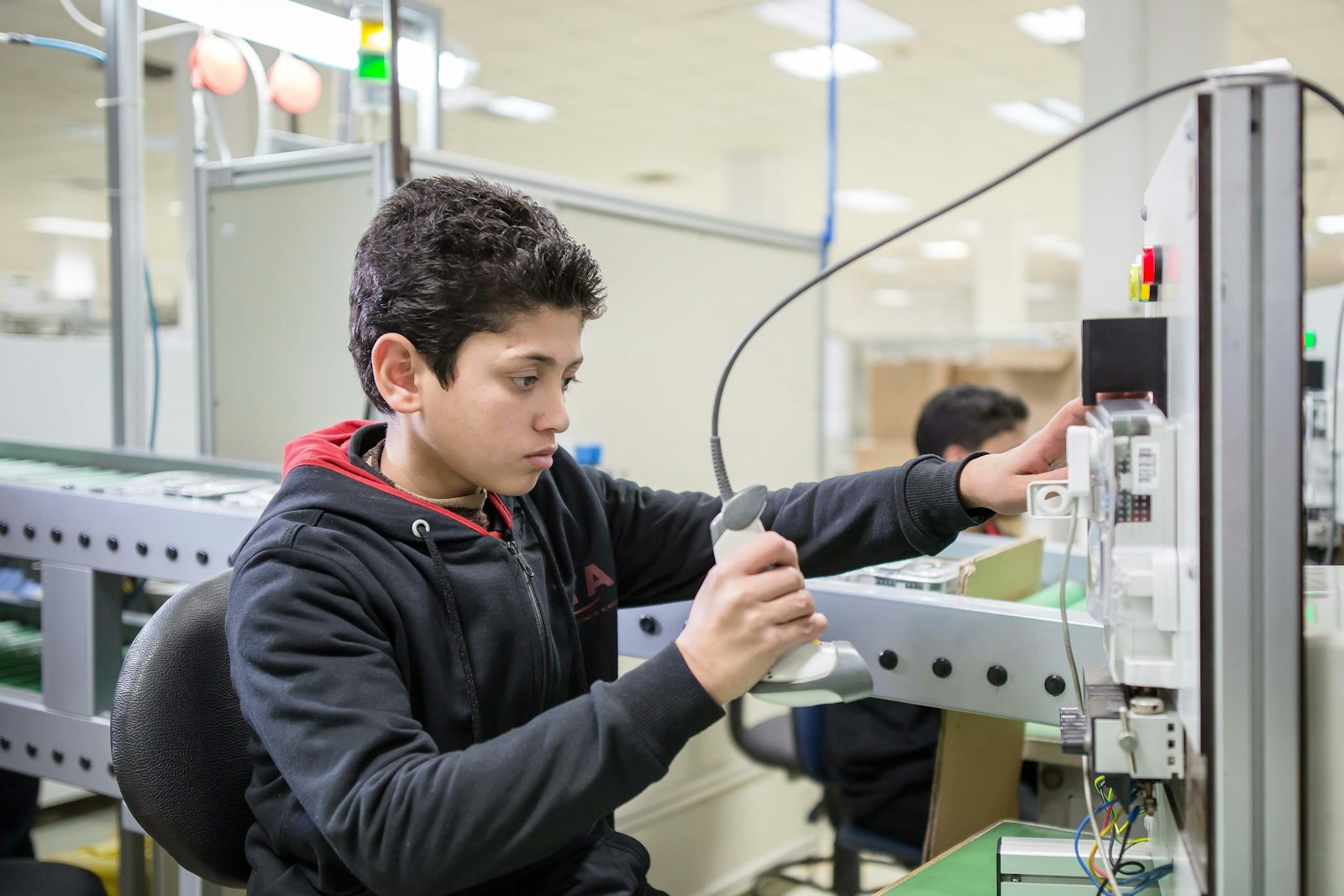
In Egypt, Tunisia, Jordan and Morocco, SECO has been working with the European Bank for Reconstruction and Development (EBRD) since 2017. The aim is to create economic prospects for young people, women and people in remote areas through good training. These trainings are designed to give trainees skills that are actually in demand by the local private sector. With its dual vocational training system, Switzerland has a wealth of experience in this area.
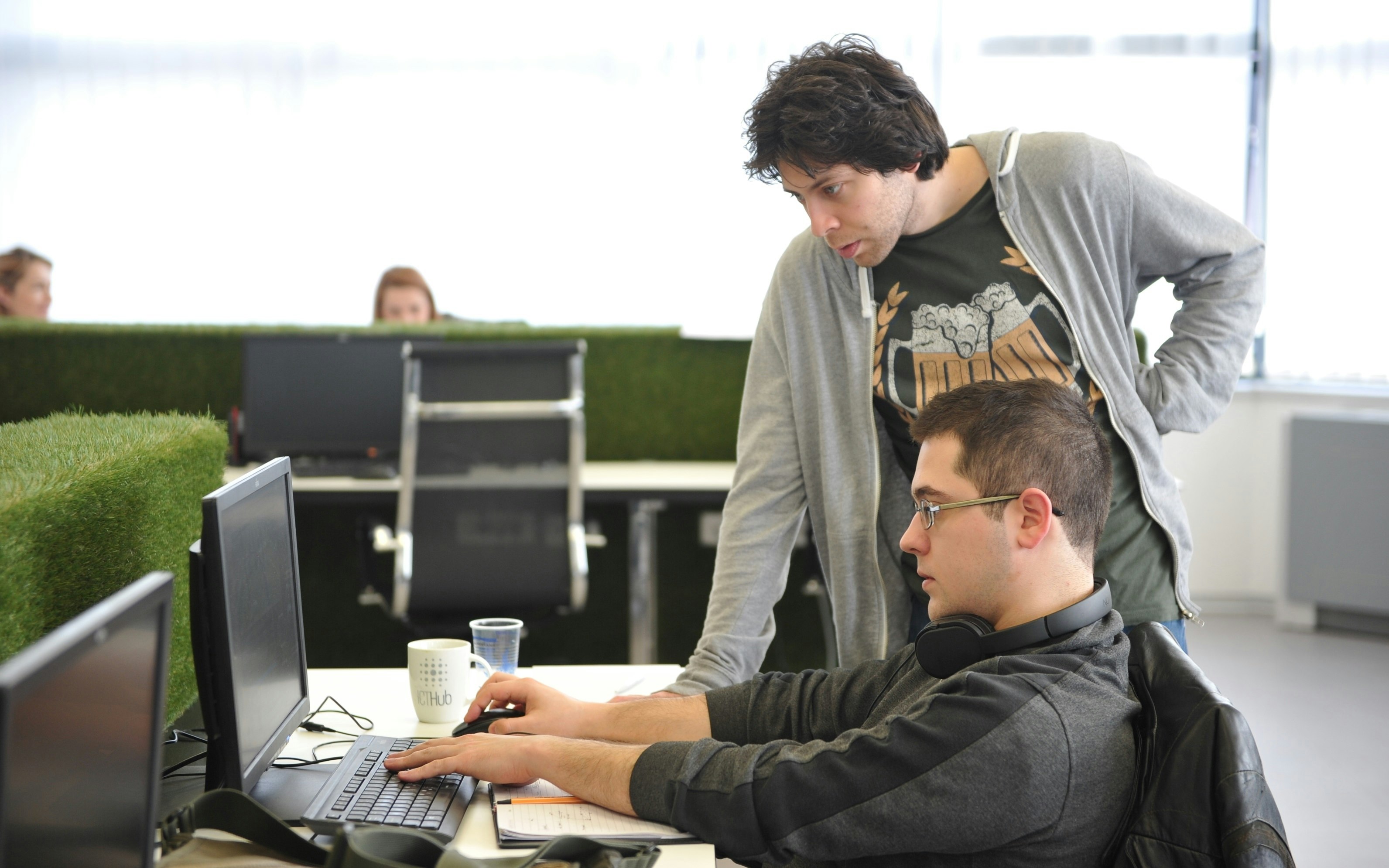
SECO supports young entrepreneurs to enable them to create jobs. Its Swiss Entrepreneurship Programme aims to create a supportive environment for local businesses. The programme works with incubators, investors, mentors, the media and the diaspora. An evaluation carried out in 2017 showed that the programme responds to a growing need for targeted support services for companies in SECO’s partner countries.
Unemployment is particularly high in North Africa, especially among young people. Entrepreneurs in this region also face difficulties to obtain loans. SECO therefore supported a joint fund of the World Bank and the International Finance Corporation (IFC) from 2012 to 2018. The fund improved the services offered by financial institutions and improved legislation in Egypt, Jordan, Morocco, Tunisia, Lebanon, Gaza and the West Bank. It also strengthened support networks for entrepreneurs. According to an external evaluation, by mid-2018 over 4.8 million microloans with a total value of over USD 3.8 billion and over 59,000 loans with a total value of over USD 3.3 billion had been granted to SMEs thanks to the improved services. 58 percent of the microloans went to women. In addition, the World Bank Group mobilised USD 2.3 billion in investment to support SMEs.
In order to reduce poverty in the long term and achieve sustainable economic growth, women and men must be given equal opportunities. In its partner countries SECO therefore promotes equal access to training, good and productive jobs, public services and capital.
From 2013 to 2017, SECO supported the access of Egyptian women entrepreneurs to financial services, in particular to microfinance institutions. This took place as part of the "MSME Facility" programme with the International Finance Corporation IFC for SMEs in North Africa. Although women lead around 30 percent of all SMEs in Egypt, only one in ten of them is able to obtain commercial financing. The reasons for this are the lack of collateral or prejudices against women. Through the project, more than 100 000 women have received a loan.
Since 2017, SECO has been specifically promoting access to financial services for women entrepreneurs in the Middle East and North Africa. This is part of the "Women Banking Champion" programme, which SECO is implementing together with the International Finance Corporation IFC. In Egypt, Morocco and Tunisia, the IFC analysed the needs of women entrepreneurs and the opportunities for financial institutions. The IFC is now providing technical assistance to one bank in Tunisia and one in Egypt to help them develop financial services tailored to the needs of women entrepreneurs.
From 2015 to 2018, SECO supported the project "Strengthening SME Business Membership Organizations" in Ukraine. The project promoted seven organisations that support entrepreneurs. The aim of the project was to strengthen the governance, organisational competence and financial sustainability of the organisations. Services were provided to help businesses develop in a favourable business environment. The project also helped the organisations to work for gender equality. As a result, a total of 800 women entrepreneurs benefited from better services provided by the seven organisations.
For SECO, economic governance is central to achieving development goals such as higher productivity, more and better jobs or poverty reduction. In many projects, economic governance is key for success and sustainability. Some projects aim directly at improving economic governance. Such projects promote management, labour, environmental and social standards, for example.